

Ms. Fatema Pacha
Fund Manager - Equity, Mahindra Manulife Mutual Fund
Ms. Fatema Pacha has over 19 years of work experience of which around 15 years have been in the field of equity research and fund management. Prior to joining MMIMPL, she was associated with ICICI Prudential Life Insurance and UTI Mutual Fund. She holds a PGDBM (Finance) from SP Jain Institute of Management & Research, Mumbai and a BE (Computers) from Thadomal Shahani Engineering College, Mumbai.
Please note we have published the answers as it is received from the Fund Manager of MAHINDRA MANULIFE Mutual Fund.
Q1. The year 2025 has been quite challenging for Indian equities, while commodities like gold and silver have outperformed. Given this divergence, how do you assess the current market structure and valuation trends within the Sensex and Nifty?
Ans: We have to always remember the 15% CAGR return rule that Indian equities have delivered over longer periods of time. There tends to be excesses on the top and bottom and that ensures period of time and price correction.
If we compare valuations for Nifty/Sensex the earnings rollover has made Nifty cheaper and it now trades at 20x FY27. Also, last year the valuation gap between India & the world was quite high. However, in the last 12 months with India under performing Emerging Markets our valuations have converged even versus the region making it attractive for global investors.
Gold & Silver have given stellar returns and many investors feel they have missed the rally. However, we would like to remind that generally peak and bottom is formed on greed and fear and investors have to be extremely mindful about asset allocations.
Q2. We've seen a surge in IPO activity this year. How do you assess current market valuations, and do you believe the post-listing performance of new issues is sustainable?
Ans: Around 80 companies have raised around $14 billion, nearly Rs 1.17 lakh crore in 2025 so far, compared to 91 companies that mobilized Rs 1.59 lakh crore in 2024. The numbers still look large, but both in terms of count and size, there seems to be moderation, even as the retail frenzy around IPOs remains visibly high.
There is a strong pipeline of upcoming IPOs with over 200 companies and an estimated issue size of about Rs 2.9 lakh crore. Instead of growth-driven issuances, a larger portion of new capital is being channeled toward debt repayment, promoter exits, and general corporate purposes.
CY25TD have seen 15% of IPOs sustain > 25% listing gains and 31% IPOs are below IPO price. Clearly shows the divergence between subscription frenzy and post-listing returns.
Q3. Corporate earnings have been muted in recent quarters. With the government's fiscal push and GST-related gains, when do you expect to see these factors translating into improved corporate balance sheets?
Ans: Corporate earnings have been muted last year in H2 and has had some impact in Q1 as well. However, Q2 earnings growth is seeing improvement and we believe FY26 can report 8-9% Nifty EPS growth. FY27 earnings growth estimates are yet strong at 14-15%. Short term GST transition issues aside, we believe the Income tax cut of the budget and the GST rate cut will lead to improved demand conditions translating into improved corporate revenue and profit growth.
Q4. As we enter the festive season, what are your expectations for the equity markets in October? Do you foresee any short-term momentum or sectoral themes playing out?
Ans: Market has been in a time correction mode and we have had significant FII selling in the last 12 months. Incrementally we believe that the US trade deal may be signed soon. Valuations are not as expensive as before and corporate earnings growth has started to improve. We are positive on Financials and Consumption themes.
Q5. What approach would you recommend for long-term investors for the remainder of 2025, given the current market and macroeconomic environment?
Ans: We believe asset allocation remains key for investors in their journey of wealth building . The allocation is applicable to both equity as an asset class as well as choice of market capitalization within equities. From investors perspective, we continue to believe that an aggregate large cap offers better value and margin of safety as compared to micro caps, small caps & mid-caps.
Investors with near-term objectives or low risk appetite can opt to prefer Equity Hybrid Funds or asset allocation funds. Investors with a longer-term horizon can continue to remain invested with fresh equity allocation towards large caps.
Q6. How vulnerable do you think Indian equities are to global macro risks such as rupee depreciation, rising US interest rates, elevated oil prices, and the ongoing US government shutdown concerns?
Ans: Currently we believe the major risk facing the world economy is geopolitical risks from Trump decisions on trade tariffs across all countries. As the resultant impact of the tariffs on the US economy and inflation is unknown. US and global equity markets along with gold & silver have been in a strong momentum phase. So, the major risk for India can be the unwinding of the global risk-on trade. However, considering our markets have gone through consolidation (time correction) in the last 12 months, Indian markets may emerge as a relative outperformer in the event of a global risk off scenario.
Note: Views provided above are based on information in the public domain and subject to change. Investors are requested to consult their mutual fund distributor for any investment decisions.
MUTUAL FUND INVESTMENTS ARE SUBJECT TO MARKET RISKS, READ ALL SCHEME RELATED DOCUMENTS CAREFULLY
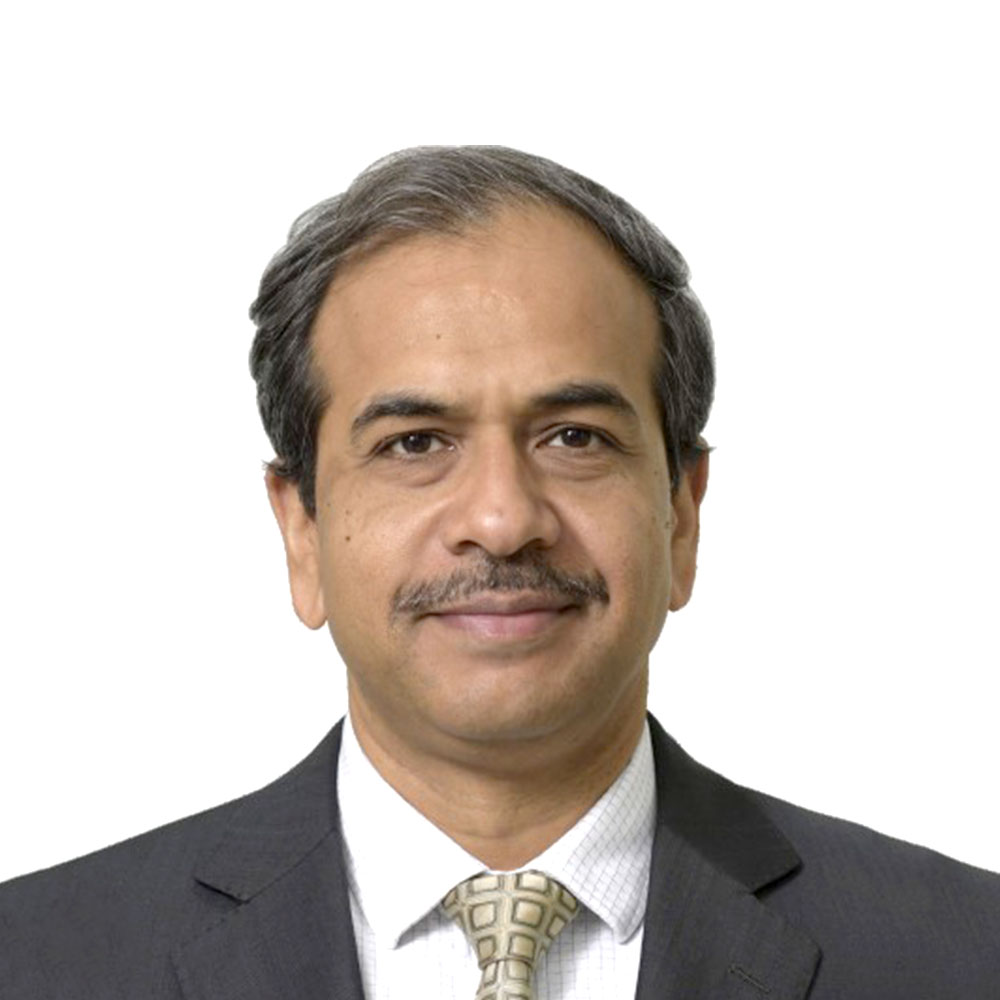
Mr. Rahul Singh
Chief Investment Officer (CIO) - Equity, TATA Mutual Fund
With over 27 years of investment experience, Mr. Rahul Singh joined Tata Asset Management in October 2018 as CIO-Equities, leading the fund management and equity research teams.
In his previous role at Ampersand Capital Investment Advisors LLP, Mr. Rahul was the Managing Partner. He has also worked with many reputed financial institutions like Standard Chartered Securities and Citigroup Global Markets India as Head of Equity Research.
Mr. Rahul is a Bachelor of Technology in Mechanical Engineering from IIT Bombay and an alumnus of IIM Lucknow where he pursued his Master of Business Administration in Finance and Financial Management Services.
Please note we have published the answers as it is received from the Fund Manager of TATA Mutual Fund.
Q1. India is currently witnessing multiple shifts-AI disruption, the rise of new-age companies, an active IPO pipeline, and changing investor behaviour. How do you see these forces shaping Indian equity markets over the next few years?
Ans: Increased AI adoption and data-center building could extend India's capex cycle (power, transmission, renewables, capital goods), while new-age listings broaden market depth and shift leadership beyond a narrow mega-cap core. Structurally, India's drivers remain intact, investment, credit, real estate, and manufacturing tailwinds, with valuations supported by a still-healthy earnings outlook into FY26. Persistent domestic flows (SIP/DIIs) could help cushion global volatility, keeping India's growth premium versus Emerging Markets (Ems), though this premium has eased in recent times.
Q2. Amid GST reforms, global trade negotiations, and structural changes, which sectors look most attractive to you at this stage?
Ans: Near term beneficiaries from GST 2.0 include FMCG/Staples, small autos & consumer durables, Insurance/Banks (consumption-led credit, insurance at nil GST), Cement/Materials (lower input taxes), and Diagnostics & Hospitals (healthcare spend uplift). Core cyclical exposure remains in Power (demand + grid capex), Select Capital Goods/Manufacturing, and Oil & Gas (where valuations are reasonable). We stay disciplined on valuation in expensive pockets of Industrials/Cap Goods; stock selection and margin trajectories are key.
Q3. Domestic SIP flows have been remarkably consistent. Do you see them providing a strong floor to Indian equities even if FIIs turn sellers?
Ans: Yes, to a meaningful extent. SIP inflows were ₹28,265 cr in August 2025, near peak run rates, even as market breadth softened. Within DIIs, CYTD equity net buying is US$59.3 bn, versus FII outflows US$14.4 bn (Data Source: AMFI Aug'25), indicating domestic savings are still absorbing global risk-off phases. The "floor" isn't absolute, shocks can raise drawdowns, but the structural strength provided by SIPs/DIIs has clearly reduced downside beta versus past cycles.
Q4. Many investors found the Q1 earnings season below expectations as signs of broad-based growth were missing. Do you think earnings recovery will come in Q2 or Q3 onwards?
Ans: Yes, we expect earnings to gradually improve from Q2 onwards. The recovery should be led by banks (as margins stabilize), power companies (benefiting from strong demand and capex), cement and Oil & Gas (helped by cost trends), and some tech firms. Overall Nifty earnings growth are expected to be decent in FY26. The recovery may not be broad based right away, but we see signs of improvement becoming clearer in the next couple of quarters.
Q5. Fed Chair Jerome Powell has hinted at a possible rate cut next month, which has already lifted sentiment across Asian markets. How meaningful could this development be for India, particularly in terms of foreign fund inflows?
Ans: A 25 bps cut is widely expected, markets are already pricing in easier policy heading into year end. A softer stance by Fed typically pressures DXY lower and reduces global real-rate headwinds, which is a positive for Emerging Market (EM) FX and flows, India included. It is further likely to anchor oil near the mid 60s unless geopolitics flares up. Near term, flows are still likely to toggle on tariff headlines, but the rates backdrop is a net positive for India's risk premia.
Q6. Many investors tend to chase short-term performance and themes. What advice would you give to retail investors looking to build wealth sustainably?
Ans: Stick to a disciplined Core & Satellite strategy: Core large-cap exposure (better risk-reward at current relative valuations) with selective Small & Mid Caps and thematic sleeves where earnings durability is clear. Use SIPs to average cycles, avoid extrapolating hot narratives at stretched multiples (notably where mid/small-cap premiums remain above long-term levels). Focus on GARP and valuation discipline.
Note: Views provided above are based on information in the public domain and subject to change. Investors are requested to consult their mutual fund distributor for any investment decisions.
MUTUAL FUND INVESTMENTS ARE SUBJECT TO MARKET RISKS, READ ALL SCHEME RELATED DOCUMENTS CAREFULLY
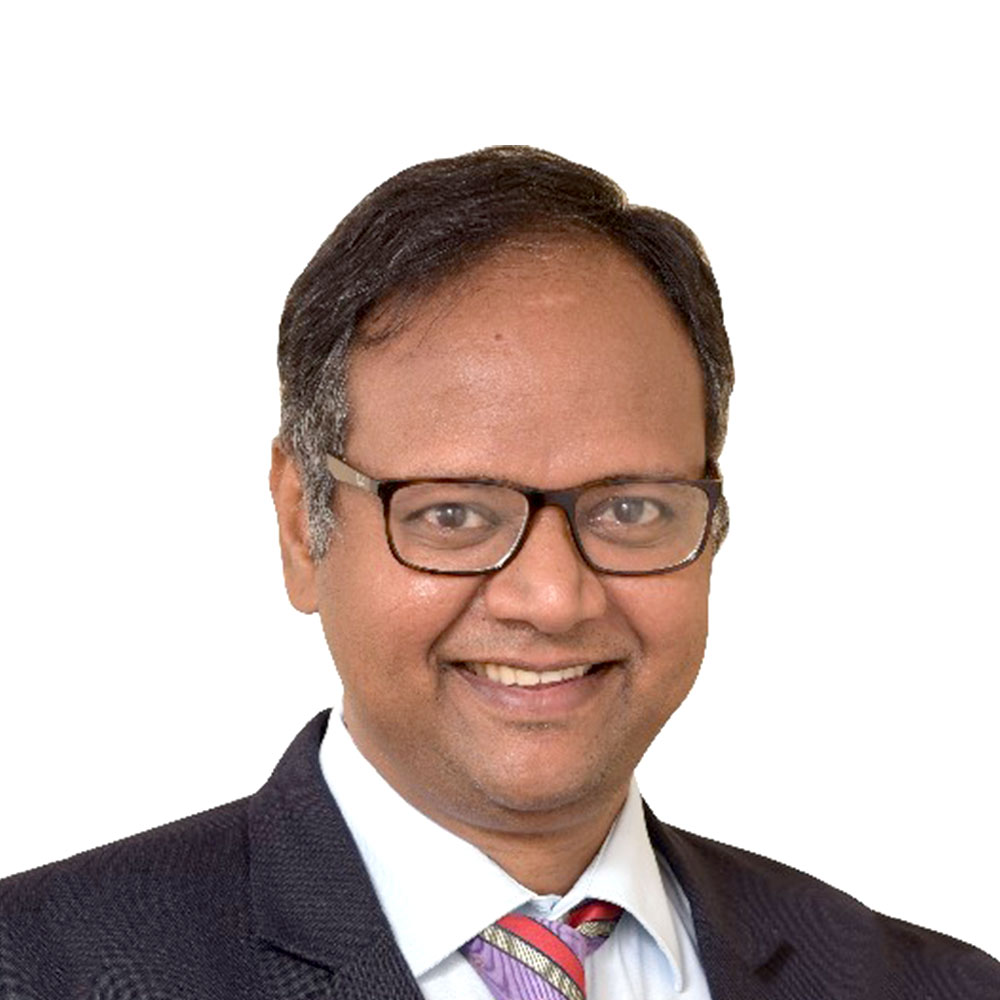
Mr. Murthy Nagarajan
Head - Fixed Income, TATA Mutual Fund
Mr. Murthy Nagarajan is the Head of Fixed Income at Tata Asset Management. With an expertise spanning decades in the debt market, Murthy brings in a rich and valuable industry experience of more than 25 years in the financial services space.
Prior to his appointment at Tata Asset Management, Mr. Murthy was working with Quantum AMC. He was also associated with Mirae Asset Global Investment India Ltd in the Investment Department as the Head of Fixed Income for more than two years.
Mr. Murthy holds a Master of Commerce degree and has completed his PGDBA from Somaiya Institute of Management & Research.
Please note we have published the answers as it is received from the Fund Manager of TATA Mutual Fund.
Q1. With the U.S. imposing fresh tariffs and global trade tensions intensifying, how have bond yields responded, and what does this imply for fixed income investors?
Ans: Global risk aversion and heavier sovereign supply have kept U.S. 10 year yields above 4%, even with a September Fed cut likely. In India, auction supply and lighter demand have pushed the 10 year G-sec into the 6.50-6.60% range, with long-end corporates moving in tandem. For investors, the message is clear: focus on carry and quality, ladder across the 3-10 year segment, and use volatility to selectively add duration.
Q2. U.S. bond yields continue to remain elevated. Do you believe we are moving into a "higher-for-longer" interest rate regime, and how should Indian debt investors position themselves accordingly?
Ans: Even with a likely 25 bps rate cut, the Fed's guidance and large fiscal deficits are keeping long term U.S. bond yields relatively high, so rates are unlikely to fall quickly. For Indian investors, we prefer 5-10 year G-secs and SDLs for carry and to manoeuvre global uncertainty, AAA PSU bonds for safer spread pickup, and 3-5 year roll-down strategies to smooth volatility. Duration can be scaled up once U.S. yields gravitate toward the 3-3.5% zone over the medium term.
Q3. Rising developed market yields often impact foreign flows. With India's inclusion in global bond indices, do you see these trends affecting foreign inflows into Indian debt markets?
Ans: India's upcoming entry into J.P. Morgan's GBI-EM index and Bloomberg EM Local index anchors long-term demand for G-secs. While short-term flows could still toggle with global yields, the index-related structural bid is expected to offset volatility and gradually increase foreign participation in Indian debt market.
Q4. In the current scenario, how should investors balance allocations between sovereign bonds, corporate bonds, and newer avenues such as private credit AIFs?
Ans: One may keep the core of portfolios in sovereigns and SDLs (5-10Y) for liquidity and stability, with AAA PSU corporates added for measured spread pickup. Private credit AIFs can serve as a satellite allocation for investors with higher risk appetite and longer horizons, offering illiquidity premia but requiring careful manager selection. Money market and ultra-short duration strategies remain suitable for near-term cash segmentation.
Q5. With GST rationalisation potentially lowering fiscal revenues and pushing up government borrowing needs, do you foresee a crowding-out effect on the bond market?
Ans: Lower GST revenues could modestly raise borrowing needs, but buffers such as the RBI dividend, unused capex headroom, and market based borrowing flexibility could limit crowding out risks. Auctions may clear with higher tails, but not fail. We expect the RBI to step in with Open Market Operations (OMO) purchases and liquidity tools if pressures build. Investors can use such yield spikes to add quality exposure.
Q6. With inflation trending below RBI's midpoint target, do you see scope for a rate cut, or will the central bank prefer to remain cautious given fiscal and external risks?
Ans: With headline inflation easing and core below 4%, the RBI has room to cut rates in October or December, but is likely to remain cautious until tariff risks and external balances stabilse. The Monetary Policy Committee's (MPC) stance is expected to stay data driven. For investors, this favours carry-led strategies today, with the flexibility to extend duration if and when the RBI signals easing.
Note: Views provided above are based on information in the public domain and subject to change. Investors are requested to consult their mutual fund distributor for any investment decisions.
MUTUAL FUND INVESTMENTS ARE SUBJECT TO MARKET RISKS, READ ALL SCHEME RELATED DOCUMENTS CAREFULLY
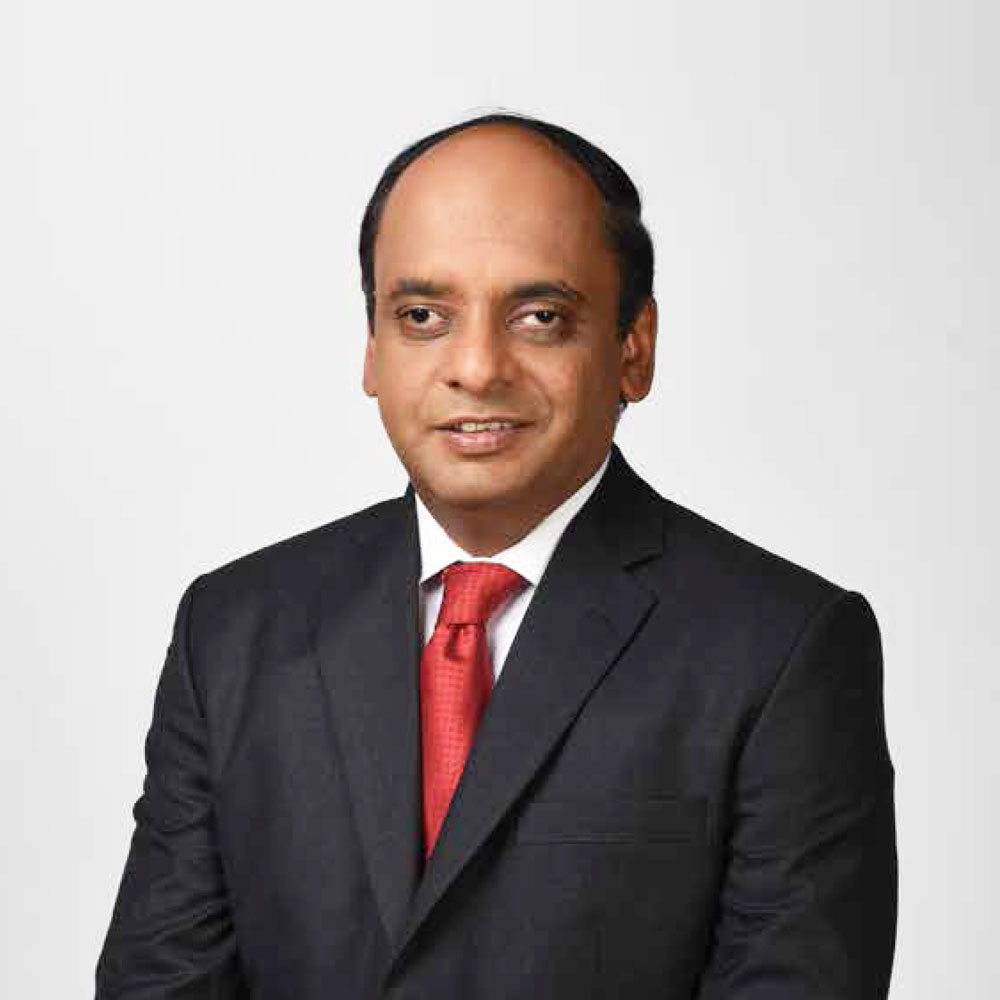
Mr. Harshad Borawake
Head of Research & Fund Manager - Equity, Mirae Asset Mutual Fund
Mr. Harshad Borawake joined Mirae Asset Mutual Fund in December 2016 as the Head of Research. Along with strengthening the overall research and investment processes, his core coverage sectors include Financials, Oil & Gas and Economy.
He has an overall professional experience of more than 19 years across industries like Financials, Oil & Gas, Logistics and Aviation. Prior to joining Mirae Asset, he was with Motilal Oswal Securities as Vice President (Research) and Capmetrics & Risk Solutions as Research Analyst - Equity. Mr. Borawake is a Bachelor in Engineering and has done MBA in Finance.
Mr. Borawake manages Mirae Asset Aggressive Hybrid Fund, Mirae Asset Balanced Advantage Fund, Mirae Asset Equity Savings Fund & Mirae Asset Multi Asset Allocation Fund.
Q1. The current geopolitical and trade developments-including the recent 50% tariff by the U.S. on Indian imports, and talk of broader tariffs on sectors like pharma-have added a layer of uncertainty. How should Indian investors interpret these global headwinds while continuing their long-term equity investment plans?
Ans: The tariff issue is very fluid and given that negotiations are underway, we have not seen the end of it. Nevertheless, India’s exposure in terms of goods exports to US is ~2% and hence not that meaningful. Indian economy is largely inward looking economy and investors should focus more on the corporate earnings growth. After dismal sub 2% growth for Nifty 50 in Fy25, earnings revival is expected in FY26 led by tax incentives, RBI infused liquidity, good monsoon, festive season and base effect. Given the valuations, investors should temper down the return expectation in the near term, while continue to remain invested from medium to long term perspective and growth levers for Indian earnings continue to remain strong.
Q2. On the domestic front, we’ve seen persistent FII outflows despite relatively strong macro fundamentals. What are the key factors driving this trend, and should retail investors be concerned-or see this as a contrarian signal?
Ans: FII inflow and outflows are driven by multiple factors including relative valuations of India and other competing economies. With the strong domestic flows now led by SIPs the impact of FII flows now impacts relatively less than few years back. Investors should focus more on corporate earnings growth and valuations than these factors.
Q3. With market valuations varying across segments, where do you see better risk-adjusted opportunities for SIP investors today-large caps, midcaps, or small caps?
Ans: It is better to take a basket approach with large part 60-65% towards large cap and the rest in mid and small cap.
Q4. For investors considering momentum or factor-based strategies, what performance metrics beyond historical returns should they closely monitor?
Ans: Any Factor investing will expose you to the risk of cyclicity. Rather than relying solely on single factors, we recommend combining momentum or any other factor with contrasting factor as part of your portfolio. While evaluating any factor, key is to understand the methodology of the factor investment, looking not only return and risk but also focusing on rolling return specially percentage of periods the strategy outperforms its benchmark, showing persistence. Downside deviation and Sortino Ratio and Information Ratio will also be key along with Upside and downside capture ratio. Evaluate factor investing from long-term investment horizon and framework i.e. at least 5 Yr + is critical. Lastly, suitability of each factor investment based on risk and return framework of individual client is essentially. For example, for you can give momentum from large mid universe and give momentum from Mid Small universe as well.
Q5. A widely cited and persistent concern among investors is the challenge active funds face in consistently outperforming their benchmarks, especially after fees. How do you address this common perception, and what specific characteristics of your investment philosophy or process do you believe give your fund a sustainable edge to generate alpha over the long term?
Ans: Perform in the near term can be volatile, but over the long term, history suggests that the median performance of the active funds is relatively better than the benchmark performance. The basic tenets for a sound portfolio include bottom up stock piking based on fundamentals, management quality and valuations along with barbell approach wherein we have combination of growth as well as value names. Out philosophy is centered around buying good quality business upto a reasonable valuation, backed by strong management and holding them for the long term. Also, while all the stocks come from a bottom up stock picking process, we also keep cognizance of the benchmark while building the portfolios.
Q6. Could you please provide your analysis of the Q1 earnings season and outline your expectations for Q2, specifically highlighting how you are factoring in the current global macroeconomic tailwinds?
Ans: This earnings season has been marginally better than expected on the headline numbers are concerned with numbers coming marginally ahead of estimates. (on back of Construction materials, financials, metals & minings, Autos). As said earlier, we expect consumption piece in the economy to review in the 2H and from the Q2 results perspective, we would more watch out for management commentary than the actual results to get sense on the overall earning revival trajectory.
Note: Views provided above are based on information in the public domain and subject to change. Investors are requested to consult their mutual fund distributor for any investment decisions.
MUTUAL FUND INVESTMENTS ARE SUBJECT TO MARKET RISKS, READ ALL SCHEME RELATED DOCUMENTS CAREFULLY
Please note we have published the answers as it is received from the Fund Manager of Mirae Asset.
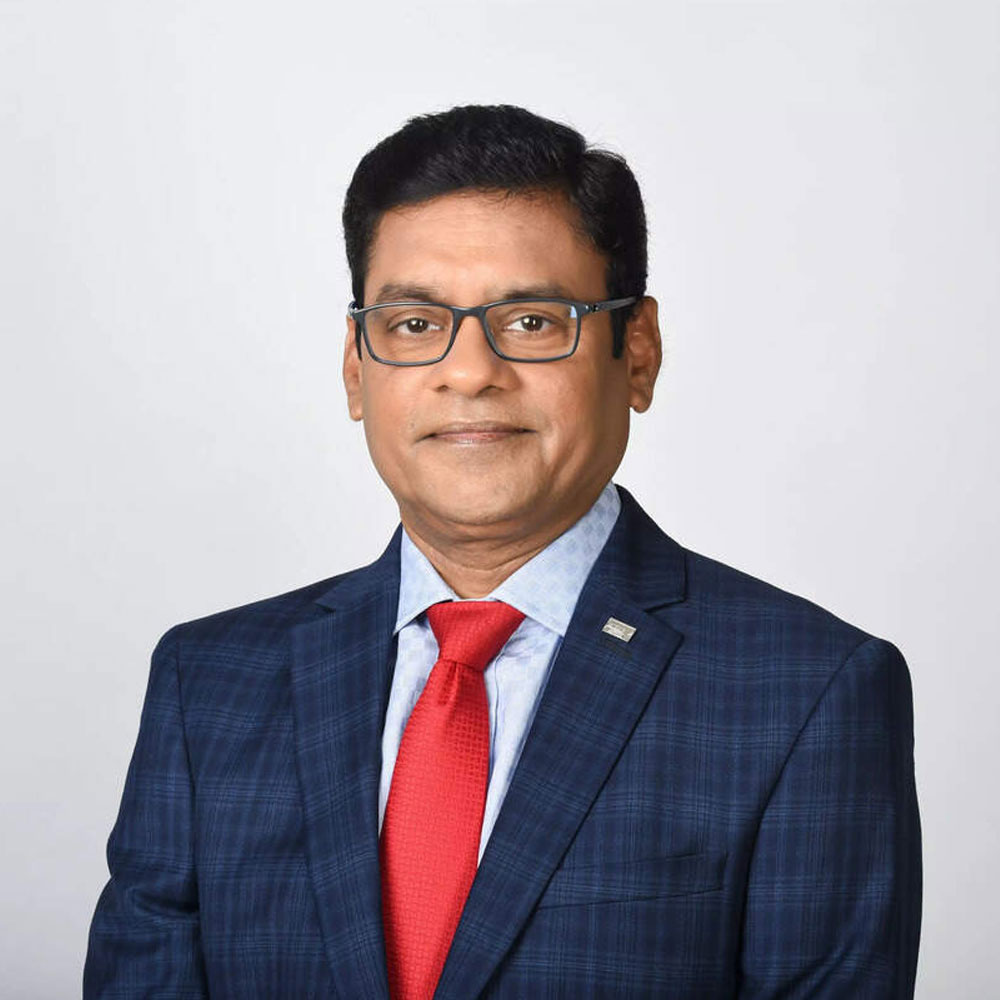
Mr. Mahendra Kumar Jajoo
Chief Investment Officer - Fixed Income, Mirae Asset Mutual Fund
Mr. Mahendra Kumar Jajoo is responsible for managing fixed income assets across all products. He has over 31 years of experience in the field of financial services including 17 years of experience in Fixed Income funds management.
He is overall responsible for supervising all Debt schemes of the Mirae Asset Investment Managers (India) Private Limited.
In his prior assignment, he has been associated with organizations like Pramerica Asset Managers Pvt. Ltd., Tata Asset Management Ltd., ABN AMRO Asset Management Ltd and ICICI Group.
Mr. Jajoo manages Mirae Asset Aggressive Hybrid Fund, Mirae Asset Balanced Advantage Fund, Mirae Asset Equity Savings Fund & Mirae Asset Nifty SDL Jun 2028 Index Fund.
Q1. The RBI has kept the repo rate unchanged, as widely expected, even as inflation projections have softened and global uncertainties-like new tariff threats and evolving Fed policy-persist. How do you interpret the central bank’s stance, and what signals should investors be watching from both the RBI and the US Fed in the months ahead?
Ans: RBI indicates that the current fall in inflation is already factored in it front loaded 50bps rate cut in June. While domestic factors suggest scope for incremental rate cuts in India, the global factors are somewhat uncertain.
Fed is also concerned with tariff related inflation and steeper yield curve with dwindling demand for US treasuries.
Investors may watch for any change in stance on these issues by the respective banks.
Q2. Beyond the RBI's policy, what are the key domestic and global macroeconomic trends that you believe are currently shaping the Indian bond markets? Where do you see the most significant tailwinds and headwinds?
Ans: Dwindling demand for US govt bonds is the most significant headwind for now for Indian bonds, not allowing further fall. RBI has already frontloaded rate cuts and has injected massive liquidity in the system recently. Further, domestic macro remains supportive for lower rates providing tailwinds.
Q3. How do you define your investment philosophy as a fund manager, and how has your strategy evolved over the past 12–18 months?
Ans: At Mirae, FMs keep analyzing the evolving scenario on a continuous basis and construct portfolio in line with the expected market outlook and the fund’s investment objectives. If the rates outlook is positive, FMs would likely be overweight and vice-versa. The strategy has worked well and is inherently dynamic.
Q4. What role can target maturity funds (TMFs) play in an investor’s portfolio today, especially in light of expected stability or mild downward movement in rates?
Ans: TMFs is a product, closest to an FD but with very significant additional advantage for the investors. It offers for all practical purposes a free put option to the investors. That’s to say, if the market is adverse, the investor can hold the investments like any other FD/FMP without much fear of any terminal capital loss. However, if the market is favorable, investor may cash out capital gains at a time of his choosing.
Q5. Geopolitical tensions globally have often pushed investors toward the safety of bonds. Are you seeing any such shift in sentiment or flows toward Indian fixed income assets?
Ans: At the moment, markets seem to price in the confidence that the ongoing geopolitical tensions would dissolve eventually without much negative impact. At this point, one has not seen any defensive shift towards fixed income
Q6. In the current environment of macro uncertainty, what broad investment strategy would you advise for debt mutual fund investors-especially those in low- to moderate-risk profiles?
Ans: Follow an accrual-oriented strategy for now. The best time for duration strategy has just crossed behind. Money market curve is relatively steep offering options in the low duration and money market category
Note: Views provided above are based on information in the public domain and subject to change. Investors are requested to consult their mutual fund distributor for any investment decisions.
MUTUAL FUND INVESTMENTS ARE SUBJECT TO MARKET RISKS, READ ALL SCHEME RELATED DOCUMENTS CAREFULLY
Please note we have published the answers as it is received from the Fund Manager of Mirae Asset.
Imp.Note: We are registered NJ Wealth Partners and this interview published is sourced from NJ Wealth with due permissions. Reproduction of this interview/article/content in any form or medium by any means without prior written permissions of NJ India Invest Pvt. Ltd. is strictly prohibited.

